
We lead with decades of deep immuno-oncology expertise to take on medicine’s toughest challenges, then accelerate breakthroughs by using AI and machine learning to deliver precisely targeted therapies.
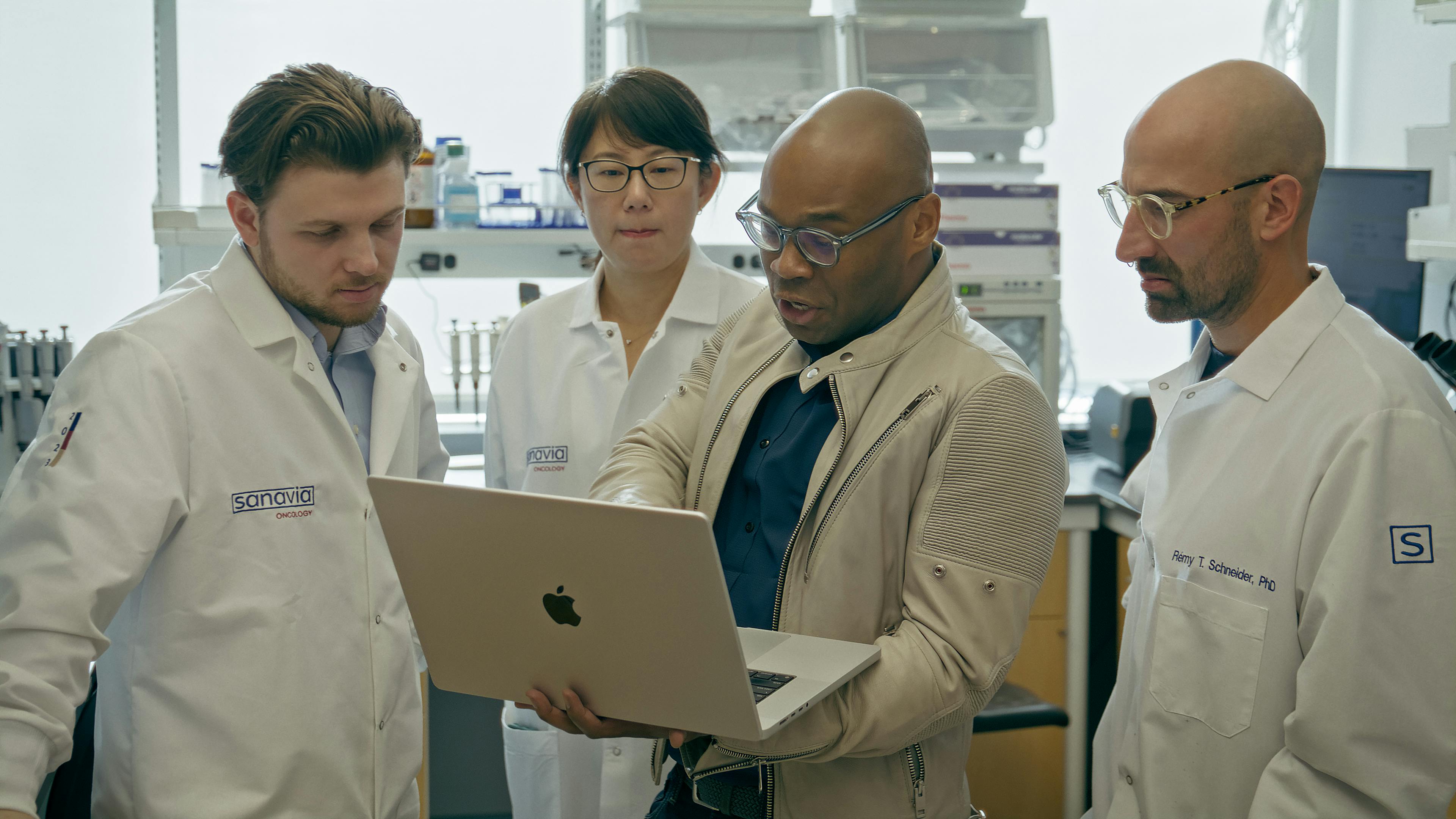
It doesn’t just fight off everything from bacteria to fungi every day; it also attacks cancer cells by spotting the unique markers on their surface and going after them. While an immune system wipes out the cancer cells it can see, sometimes cancer cells adapt and modify their surface proteins by creating brand-new “epitopes” that don’t exist in normal cells.
If they sneak past our immune systems, multiply, and spread, that’s when things get dangerous. These unique epitopes have always helped cancer cells hide and thrive. But with our epitope discovery platform, we’re finding novel and stable, first-in-class, unexplored cancer-specific epitopes to use as our point of attack.
It doesn’t just fight off everything from bacteria to fungi every day; it also attacks cancer cells by spotting the unique markers on their surface and going after them. While an immune system wipes out the cancer cells it can see, sometimes cancer cells adapt and modify their surface proteins by creating brand-new “epitopes” that don’t exist in normal cells.
If they sneak past our immune systems, multiply, and spread, that’s when things get dangerous. These unique epitopes have always helped cancer cells hide and thrive. But with our epitope discovery platform, we’re finding novel and stable, first-in-class, unexplored cancer-specific epitopes to use as our point of attack.
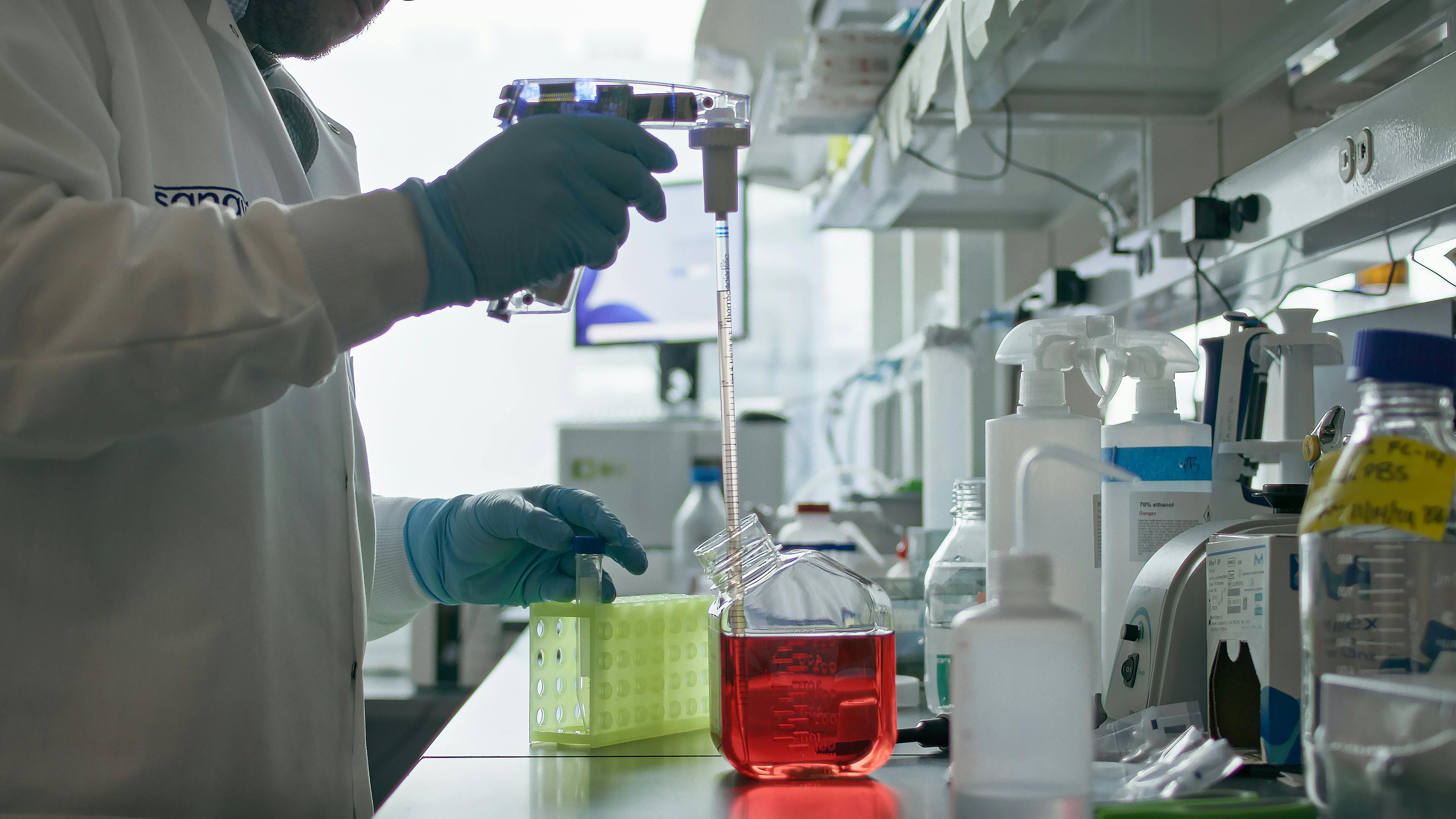
Before Sanavia, finding the right epitope was a guessing game. We’re changing that. For the first time, we’re able to identify first-in-class, unexplored epitopes in a given target and functionally rank them to find the best one for ADC, TCE, and CAR-T cell therapies, eliminating guesswork once and for all.
Before Sanavia, finding the right epitope was a guessing game. We’re changing that. For the first time, we’re able to identify first-in-class, unexplored epitopes in a given target and functionally rank them to find the best one for ADC, TCE, and CAR-T cell therapies, eliminating guesswork once and for all.
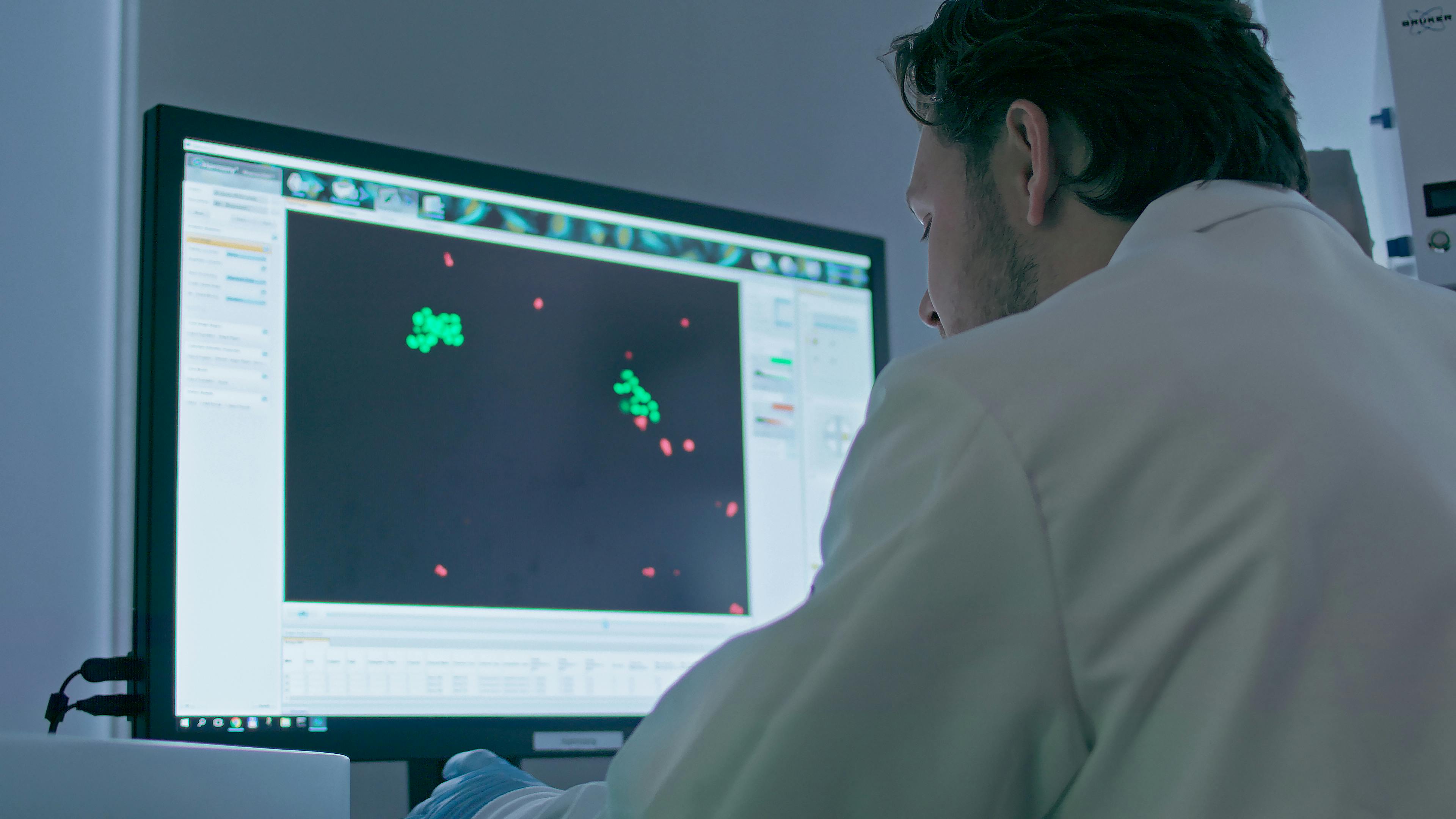
Sanavia’s pioneering epitope discovery technology identifies novel and stable first-in-class cancer-specific epitopes in validated cancer targets that are present and targetable in the majority of patients across multiple cancer types.
Currently, existing therapies targeting known epitopes can only help 20% of patients across all cancers. We’re focused on finding the right epitope that is present, accessible and effectively targetable by antibody drug conjugate (ADC), CAR-T cell therapy or T cell engagers (TCEs) in the remaining 80% of patients.
By selecting the best epitope for ADC, CAR-T or TCEs for a given target, based on high throughput functional data collected in our lab, we’re opening up the possibility of targeting validated targets with modalities that weren’t possible before.
Sanavia’s pioneering epitope discovery technology identifies novel and stable first-in-class cancer-specific epitopes in validated cancer targets that are present and targetable in the majority of patients across multiple cancer types.
Currently, existing therapies targeting known epitopes can only help 20% of patients across all cancers. We’re focused on finding the right epitope that is present, accessible and effectively targetable by antibody drug conjugate (ADC), CAR-T cell therapy or T cell engagers (TCEs) in the remaining 80% of patients.
By selecting the best epitope for ADC, CAR-T or TCEs for a given target, based on high throughput functional data collected in our lab, we’re opening up the possibility of targeting validated targets with modalities that weren’t possible before.
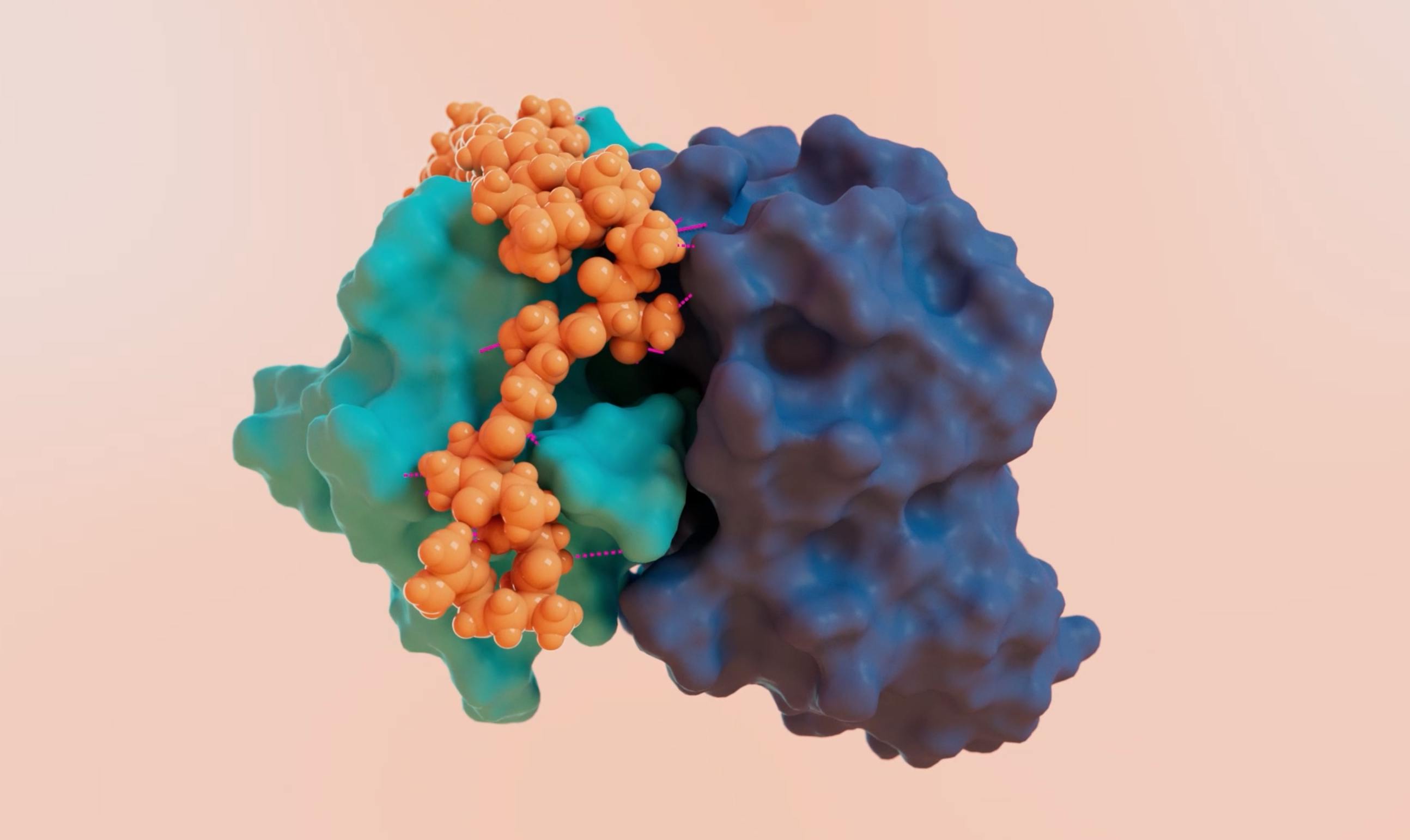
We use proprietary in vivo immunization technology to generate genetically, structurally and functionally diverse sets of antibodies to a given epitope. We integrate high throughput screening and functionally validate each antibody in vitro, and use Machine Learning and AI to predict unique epitope : paratope interactions to understand why some antibodies might work better than others. We then pick the best, structurally and functionally optimized ADC, CAR-T or TCE antibodies that bind to their epitopes with atomic precision and work in vivo.
We use proprietary in vivo immunization technology to generate genetically, structurally and functionally diverse sets of antibodies to a given epitope. We integrate high throughput screening and functionally validate each antibody in vitro, and use Machine Learning and AI to predict unique epitope : paratope interactions to understand why some antibodies might work better than others. We then pick the best, structurally and functionally optimized ADC, CAR-T or TCE antibodies that bind to their epitopes with atomic precision and work in vivo.
What drives us at Sanavia is not just the technology—we're driven by impact. By combining a unique approach to epitope discovery, high-throughput functional antibody screening and AI-driven structure prediction, we generate structurally and functionally optimized antibody drug candidates that target the right epitope for the right therapy, significantly expanding the number of patients who can benefit.
Our SANA-01 program targets a novel cancer-specific epitope in MUC1 protein that’s present in a high percentage of patients across major cancers, including up to 75% of lung, 70% of triple negative breast cancer, 70% of ovarian, 40% of colon, 75% of pancreatic, and 55% of gastric cancers. This breakthrough means we can help more patients than ever before—extending lives and bringing hope to countless families.
What drives us at Sanavia is not just the technology—we're driven by impact. By combining a unique approach to epitope discovery, high-throughput functional antibody screening and AI-driven structure prediction, we generate structurally and functionally optimized antibody drug candidates that target the right epitope for the right therapy, significantly expanding the number of patients who can benefit.
Our SANA-01 program targets a novel cancer-specific epitope in MUC1 protein that’s present in a high percentage of patients across major cancers, including up to 75% of lung, 70% of triple negative breast cancer, 70% of ovarian, 40% of colon, 75% of pancreatic, and 55% of gastric cancers. This breakthrough means we can help more patients than ever before—extending lives and bringing hope to countless families.